CABwellness.com
Tai Chi
~
Qigong
The art of working
with internal energy
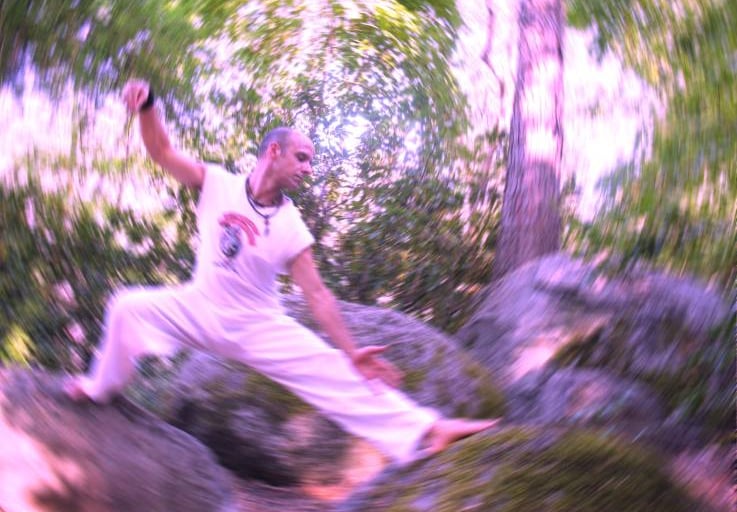
Slow and harmonious dance-like movements that integrate mind, breath and body


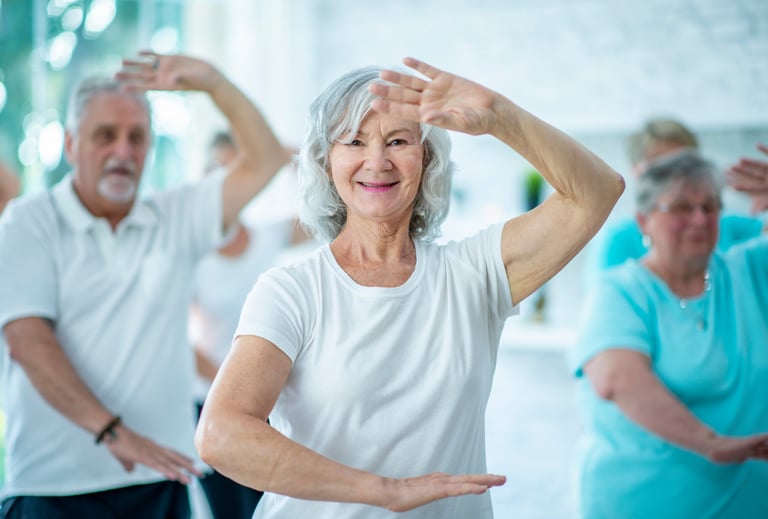
T’ai chi ch’uan (commonly known as Tai Chi) is a gentle yet powerful practice that originated in China as a martial art. The Tai Chi form consists of slow, flowing, and harmonious movements that integrate mind, breath, and body, creating a dance-like meditation in motion.
Today, Tai Chi is practiced worldwide for its wide-ranging health benefits. It offers a full mind-and-body workout while minimizing the risk of injury, making it accessible to people of all ages and fitness levels.

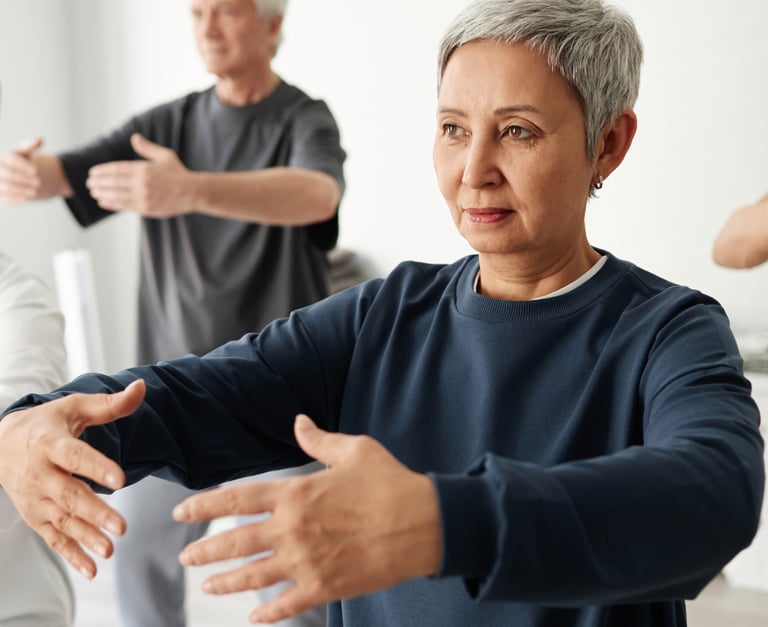
Qigong (also spelled Chi Kung) is an ancient Chinese practice for cultivating health, vitality, and longevity. Often called ‘Chinese yoga,’ it combines gentle stretching, flowing movements, and mindful breathing to awaken and harmonize the body’s vital energy, or chi.
Through regular practice, Qigong cleanses and strengthens the internal organs, builds balance, coordination, and overall strength, and relieves chronic tension and pain. It also nourishes the nervous system, increases oxygen intake, and helps you focus, relax, and feel more centered, bringing both physical vitality and mental calm to your everyday life


Tai Chi Chuan
Qigong
Tai Chi and Qigong are perfect for those looking for a gentle, low-impact exercise that not only improves balance and physical health but also nurtures emotional well-being, reduces stress, and cultivates a sense of calm and mindfulness in everyday life.
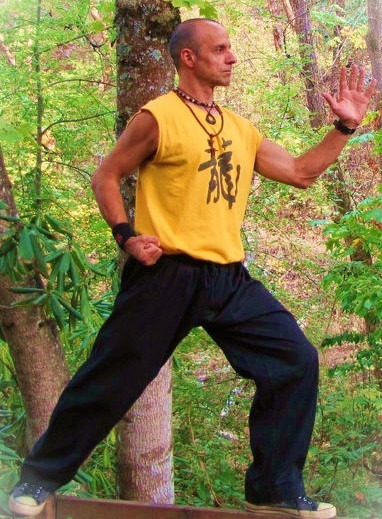
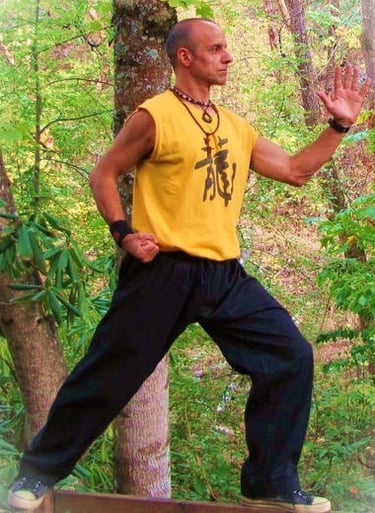
Give tai chi a chance!
Sit and do the tai chi
A gentler practice for all
Sitting Tai Chi brings the most beneficial tai chi and qigong movements to you—fully adapted to be practiced safely while seated.
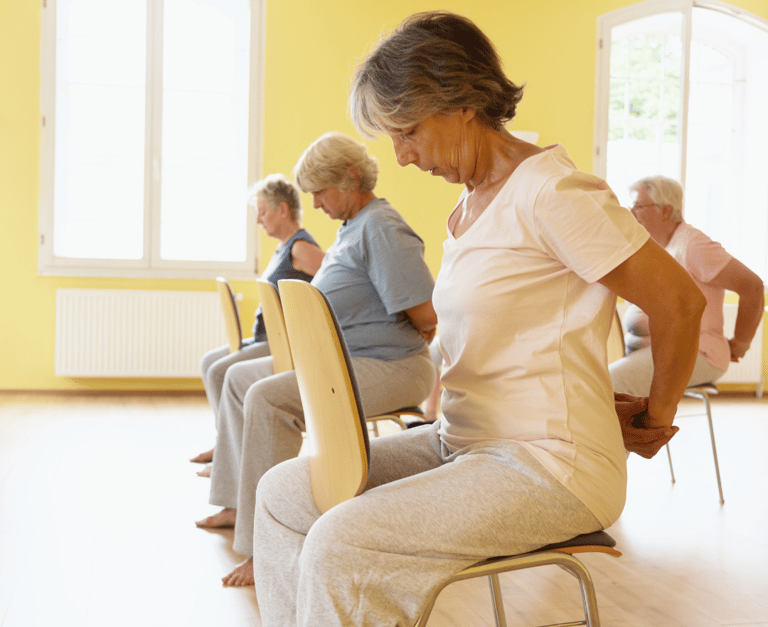
For over 20 years I’ve guided clients of all ages who were searching for a safe, enjoyable, and effective way to exercise. I’ve seen incredible transformations—people recovering from surgery, managing chronic pain or depression, and overcoming injuries have regained strength, mobility, confidence, and a renewed sense of well-being under my guidance.
Don’t wait to start your journey to wellness and a healthier, wholesome life. Let’s meet and discover which of these practices will benefit you the most.
This practice is designed for anyone with reduced mobility, frail health, or balance challenges. Even if you have arthritis, a knee injury, recent surgery, or simply feel unsure about standing exercises, you can still strengthen your body, improve flexibility, increase your range of motion, and enhance overall well-being. Sitting Tai Chi and Qigong make it possible to experience the physical, mental, and emotional benefits of these practices—regardless of your limitations.
Recent studies published in the Journal of the American Geriatrics Society conclude that Tai Chi and Qigong can help prevent fall-related injuries in older adults—one of the leading causes of traumatic death in this population. Numerous other studies from universities and medical centers worldwide also confirm the benefits of these practices for a variety of conditions, including cardiovascular disease, hypertension, and osteoarthritis.
Over the past 20 years, many of my students, of all ages, have personally experienced the positive effects of regular Tai Chi and Qigong practice. They report improvements in cardiovascular health, balance, and coordination; stronger immune systems; better sleep, mood, and blood pressure; enhanced mental clarity and concentration; and relief from symptoms of arthritis and back pain. These firsthand experiences, combined with scientific research, highlight the powerful impact of these gentle yet effective mind-body practices on both physical and mental well-being.
If you’ve heard people say that ‘Tai Chi is too difficult,’ ‘boring,’ or ‘takes too much dedication,’ give yourself the opportunity to experience it for yourself under my guidance. I always remind my students that the only ones who don’t benefit from tai chi or qigong are those who give up—everyone else discovers greater strength, balance, and calm with practice.